

A good loading zone sealing system does more than stop material from escaping. It helps reduce spillage, control dust leakage and keep the loading area easier to maintain. When sealing is not matched to the working condition, the same problems tend to return: worn rubber, dirty walkways and repeated adjustment.
In most cases, sealing performance is not decided by the rubber alone. It also depends on belt movement, support below the belt and the type of material being handled. That is why the right solution should be chosen for the actual application, not just by habit.
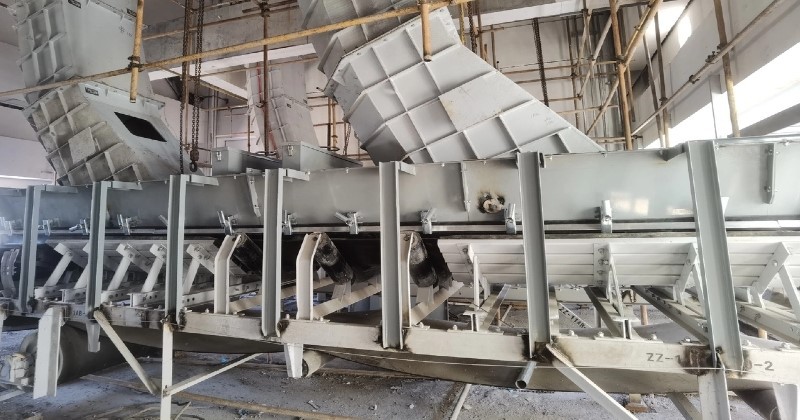
Why Loading Zone Sealing Often Fails
The loading zone is one of the most demanding parts of a conveyor system. Material drops onto the belt here, impact is stronger, airflow changes quickly and the belt tends to move more than in other sections.
Because of that, even a small gap along the skirt area can turn into visible spillage or dust leakage. In many plants, the first sign of trouble is not major damage but a constant need for clean-up and adjustment. Once the sealing edge starts wearing unevenly, the problem usually gets worse.
A reliable loading zone sealing setup should keep steady contact with the belt while remaining practical for daily maintenance.
Common Signs You Chose the Wrong Sealing System
One common sign is continuous spillage along both sides of the skirt board. Another is dust escaping from the transfer point, especially when the conveyor handles dry fines or powdery material.
Fast rubber wear is also a warning sign. If conveyor skirt rubber needs to be replaced too often, the issue may be poor support, wrong pressure or an unsuitable sealing profile. In these cases, simply changing the rubber will not solve the root problem.
When the same issue keeps coming back, it usually means the current loading zone sealing system does not match the working condition.
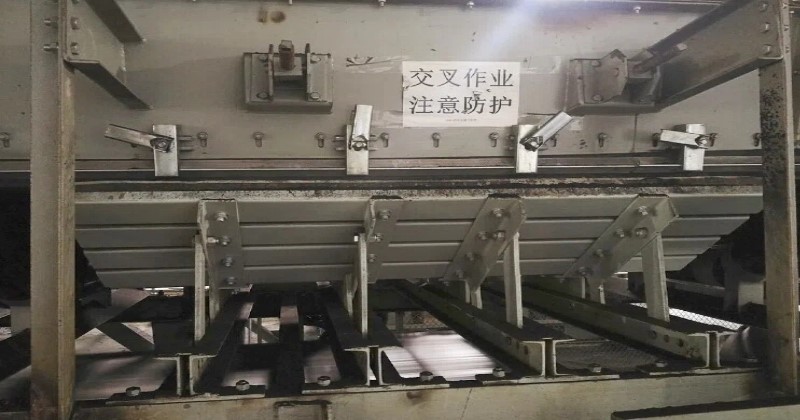
Choosing Sealing for Dusty Materials
For dusty applications, the main goal is to control fine particles without creating excessive drag on the belt. The sealing edge needs to stay close and consistent, especially near the transfer point where dust pressure is usually higher.
A basic strip may work in light-duty conditions, but in dusty plants the system often needs more stable contact and better follow-up to normal belt movement. If the belt is bouncing or sagging, even a good sealing strip will struggle to contain dust.
That is why dusty applications often require both a better conveyor sealing system and stronger support below the belt.
Choosing Sealing for Abrasive Materials
Abrasive materials create a different challenge. Here, wear life becomes the main concern. If sealing pressure is too high, the rubber may wear quickly. If it is too low, material starts escaping.
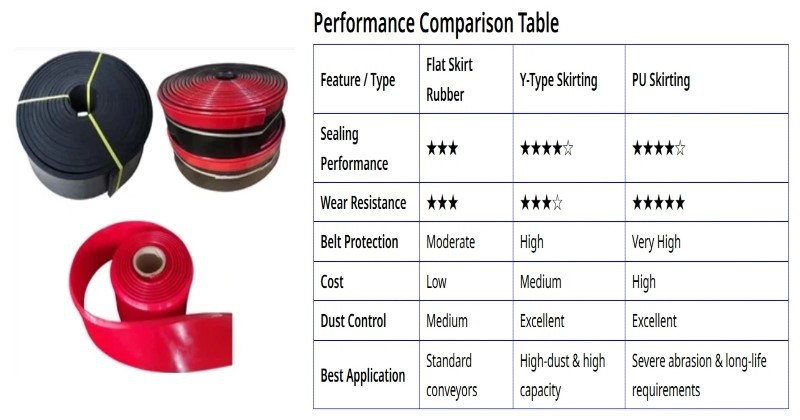
Good skirt rubber selection is important in these conditions. The sealing material should offer enough wear resistance while still maintaining stable contact with the belt. Many plants prefer more durable sealing profiles when basic flat rubber wears out too fast.
In short, abrasive applications need a sealing setup that can last without constant adjustment or frequent replacement.
Choosing Sealing for Wet or Sticky Materials
Wet or sticky materials often cause buildup near the skirt area. In this case, the problem is not just sealing pressure, but also how easily the system can be cleaned and adjusted.
If the sealing edge is pressed too hard against the belt, drag can increase and buildup may become worse. A more balanced setup usually works better over time. For these applications, simple maintenance and sealing stability are often more important than aggressive pressure.
A practical loading zone sealing system for sticky material should be easy to inspect, easy to clean and stable in daily use.
Why Belt Support Matters Just as Much
Many sealing problems actually begin below the sealing line. If the belt sags between idlers or moves too much under impact, the contact between the rubber and the belt will never stay consistent.
That is why support and sealing should be considered together. A stable belt surface improves sealing contact and helps reduce both spillage and dust leakage. In many heavy-duty loading zones, an impact bed for conveyor loading zone is used to improve this area and support the belt more continuously.
Better support often means better sealing performance and longer service life for the rubber.
[Insert Image: impact bed supporting belt under loading zone]
Alt text: impact bed for conveyor loading zone improving sealing stability
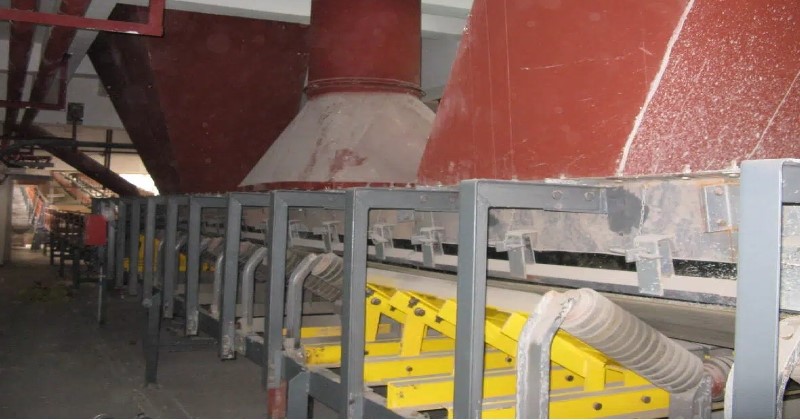
Final Recommendation
The best loading zone sealing system is the one that matches the material, the belt condition and the loading environment. Dusty materials need tighter dust control. Abrasive materials need better wear life. Sticky materials need easier cleaning and stable contact.
If your conveyor still suffers from spillage, dust leakage or fast sealing wear, do not look at the rubber alone. Check the full loading zone, including belt support and operating condition. In many cases, the right combination of conveyor skirt rubber and impact bed for conveyor loading zone gives the most reliable result.
For related reading, you can also link to conveyor loading zone troubleshooting guide and early warning signs of conveyor loading zone failure.


