




-
Product Overview
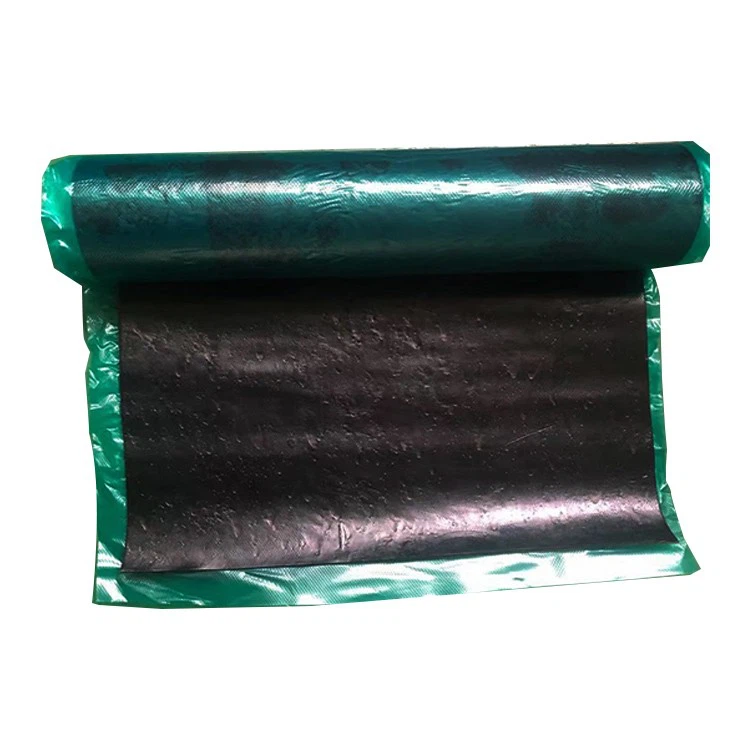
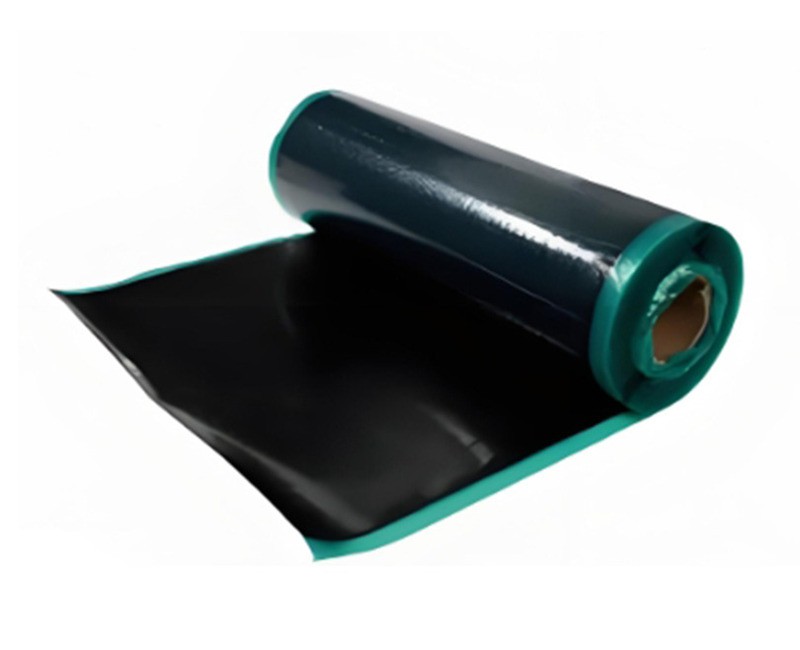
Uncured Cover Rubber for Conveyor Belt Hot Vulcanizing
Uncured cover rubber is a critical material used for conveyor belt splicing, re-covering and repairing belt surfaces.
YIQI uncured cover rubber is formulated with high-quality raw rubber compounds to provide excellent abrasion resistance, strong bonding strength and long service life after vulcanization.
It is suitable for hot splicing, workshop belt manufacturing, and on-site cover repairs in mining, cement, power plants, steel mills and bulk-handling systems.
Key Features
- High Abrasion Resistance: Designed to withstand continuous exposure to bulk materials and friction
- Flexible and Durable: Maintains elasticity under heat and pressure for optimal bonding during vulcanization.
- Thermally Reactive: Cures completely when subjected to vulcanizing temperatures (145–165°C).
- Strong Bonding Properties: Chemically engineered to adhere to tie gum and carcass rubber layers.
- Available in Multiple Grades: General-purpose, flame-retardant, oil-resistant, or heat-resistant options.
- Easy to Cut and Handle: Supplied in rolls or sheets that can be shaped for specific belt repair jobs.
- Low Shrinkage: Maintains dimensions after curing, ensuring a smooth, consistent surface.
- Excellent compatibility with various belt carcasses (EP, NN, Steel Cord)
- Optimized viscosity and flow during vulcanization for uniform bonding
- High tear & cut resistance for harsh bulk-material environments
- Stable mechanical properties after curing
- Available in multiple hardness and compound grades based on belt type
- Smooth surface and consistent thickness for precise splice assembly
Cover Rubber vs Intermediate Rubber: What's the Difference?
Although both materials are used in the hot vulcanization of conveyor belts, their purposes and characteristics are different:
**Cover Rubber:**
- Used as the top or bottom layer of the belt.
- Provides protection against wear, UV, weather, and impact.
- Higher abrasion and tear resistance.
- Forms the visible outer layer of the belt.
**Intermediate Rubber (Tie Gum):**
- Used as a bonding layer between the cover and fabric or steel cords.
- Prioritizes tackiness and flow during vulcanization.
- Not exposed after curing; acts like an adhesive.
In summary, cover rubber is about protection and durability, while tie gum focuses on adhesion and structural integrity.
Technical Specifications
|
Property |
Specification |
|
Product Name |
Uncured Cover Rubber |
|
Material Base |
Natural rubber or synthetic blends (NR,IR, SBR, NBR) |
|
Color |
Black |
|
Thickness Range |
2mm-6mm |
|
Width |
500mm, 1000mm |
|
Roll Weight |
10kg, 20kg |
|
Surface Finish |
Smooth |
|
Hardness (Shore A) |
60 ± 5 |
|
Tensile Strength |
17-22 MPa |
|
Elongation at Break |
≥ 400% |
|
Vulcanization Temperature |
145 |
|
Cure Time |
20–30 minutes depending on thickness |
|
Shelf Life |
12 months |
|
Packaging |
Rolls wrapped in film and packed in boxes |
The uncured cover rubber maintains stable elasticity and bonding strength after vulcanization.
Compared with ordinary rubber sheets, YIQI's formulation provides improved wear resistance and consistent curing behavior, ensuring reliable splice strength and longer belt service life.
Application Areas
Mining
Repairs and rebuilds conveyor belts damaged by sharp, heavy ores.
Cement
Restores top layers of belts worn by limestone, clinker, and cement dust.
Ports
Protects belts from wear during bulk loading/unloading operations.
Steel Mills
Used in heat- and oil-resistant belt applications.
Recycling
Replaces cover layers damaged by scrap, glass, and metal.
Power Plants
Suitable for flame-resistant and static-conductive belts in coal handling.
This uncured cover rubber is widely used in conveyor belt splicing workshops, field hot-vulcanization teams, and belt fabrication centers.
It is especially suitable for belts handling abrasive materials such as coal, ore, clinker, stone, cement raw material and bulk fertilizer.
Using Cover Rubber in Hot Vulcanizing
1. Prepare the belt surface by buffing and cleaning.
2. Apply bonding cement (if required) to the tie gum or intermediate layer.
3. Place the uncured cover rubber sheet over the repair area.
4. Use a hot vulcanizing press at 145–165°C.
5. Maintain pressure and heat for 20–30 minutes.
6. Allow to cool and inspect the finished surface.
Advantage of Uncured Cover Rubber
- Strong bonding strength ensures excellent splice integrity
- Reduced curing defects thanks to consistent rubber flow properties
- Lower long-term maintenance costs compared with standard rubber
- Designed to match original belt cover properties after curing
- Suitable for both longitudinal splicing and cover re-building work
Why Choose YIQI
- Strict quality control on thickness, viscosity and moisture level
- Custom compound formulations for different belt grades
- Stock available for fast shipment
- Full technical support for splice parameters and curing instructions
- Experience serving mining, cement, and conveyor OEM customers
FAQ
Q1: What is the main purpose of uncured cover rubber?
Used for hot vulcanized belt splicing, cover rebuilding and belt fabrication.
Q2: Can this rubber be used on EP, NN and steel cord belts?
Yes, we provide formulations suitable for all common carcass types.
Q3: What curing temperature is required?
Typically 140–160°C depending on compound. We can provide splice instructions.
Q4: Can I order customized thickness and width?
Yes, widths up to 2200 mm and special thicknesses are available.
Hot Tags: uncured cover rubber, China uncured cover rubber manufacturers, suppliers, belt repair strip, cover strip, Uncured Cover Rubber


