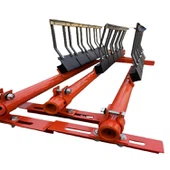
Introduction: Why Cooling Matters in Vulcanized Splicing
Hot vulcanizing is the most durable method for conveyor belt joint repair, but cooling plays a critical role in determining the joint's strength and service life. This article compares water-cooled, nature-cooled, and air-cooled vulcanizing machines to help plant operators and maintenance engineers choose the right system.
Common Cooling Methods
Water-Cooled: Uses internal water channels for rapid cooling. Best for large belts and continuous use.
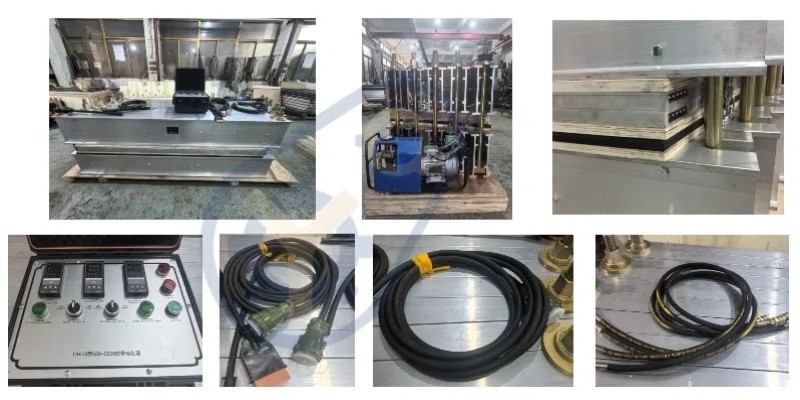
Nature-Cooled: Relies on ambient temperature. Lightweight and portable, but slow.
Air-Cooled: Adds air compressor forced airflow to speed up cooling. A balanced solution for many users.

Performance Comparison Table
|
Feature |
Water-Cooled |
Nature-Cooled |
Air-Cooled |
|
Cooling Speed |
★★★ (Fastest) |
★ (Slowest) |
★★ (Moderate) |
|
Heat Uniformity |
★★★ |
★★ |
★★ |
|
Joint Strength |
★★★ |
★★ |
★★ |
|
Portability |
★ |
★★★ |
★★ |
|
Setup Complexity |
★ |
★★★ |
★★ |
|
Maintenance |
★★ |
★★★ |
★★ |
Real-World Applications
• Water-Cooled: Ideal for high-tension belts in open-pit mining.
• Nature-Cooled: Suitable for remote sites with no utilities.
• Air-Cooled: Great for cement plants and medium-duty projects.
Choosing the Right Cooling System
Consider utilities, urgency, belt size, mobility, and budget. Each method has trade-offs between quality, convenience, and cost.
YIQI's Vulcanizing Press Solutions
YIQI offers machines with all three cooling options. Our water-cooled presses feature:
- Internal copper water pipes
- Digital temp & pressure controls
- Lightweight aluminum frames
- Optional dual-cooling system (water + air)
Conclusion
Cooling is just as important as heating in vulcanizing. Understanding each method allows customers to extend belt life and improve joint reliability.