




Product Description
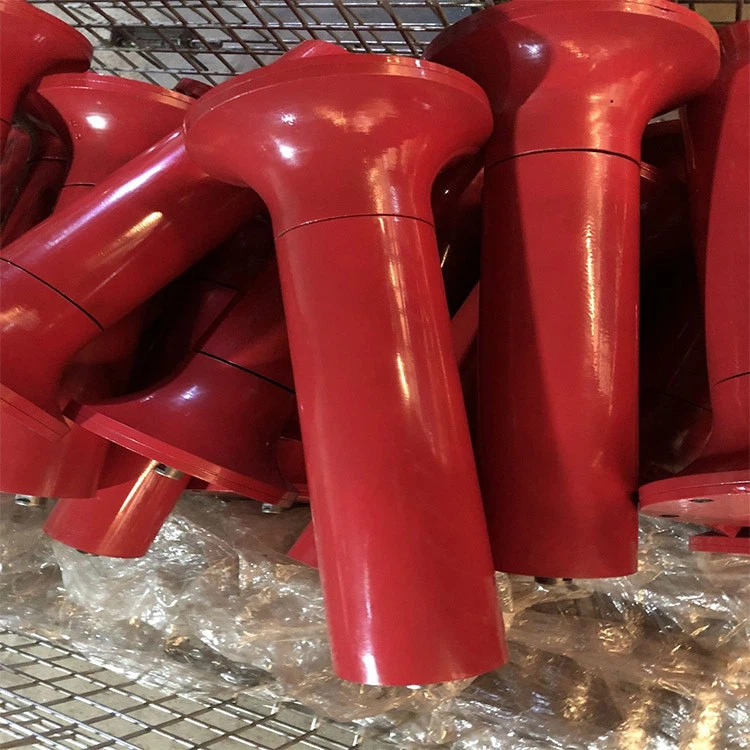
In many conveyor systems, especially those handling steep inclines, reversing curves or high-tension steel-cord belts, standard idlers may slip or fail to provide sufficient belt grip. The YIQI Friction Roller is engineered for exactly these high-traction situations. Featuring a high-friction surface, precision bearings and robust construction, this roller improves belt tracking, reduces drive slippage and elevates overall system performance.
Unlike conventional rollers that focus solely on belt support, friction rollers enhance the drive or transition zone by combining support with traction. This dual function reduces the need for separate drive pulleys or extra tensioning systems. Ideal for mining, heavy-haul, inclined systems, and belt drives where traction and reliability are essential.


Key Features
- Self-Centering Design: Automatically adjusts to maintain proper belt alignment.
- Friction-Based Guidance: Uses the natural friction between roller and belt to correct misalignment.
- Durable Construction: Made from high-strength steel with anti-corrosive coatings for long service life.
- Maintenance Friendly: Reduces the need for manual intervention and frequent realignment.
- Customizable: Available in various sizes, shaft types, and surface finishes.
Technical Specifications

Unit: mm
|
Model |
D1 |
D2 |
d |
Bearing No. |
L1 |
L2 |
L3 |
b |
a |
Belt Width (B) |
|
89*230 |
89 |
170 |
20 |
6204zz |
230 |
240 |
264 |
14 |
6 |
500 |
|
89*280 |
280 |
290 |
308 |
650 |
||||||
|
89*323 |
323 |
333 |
357 |
500 |
||||||
|
89*398 |
398 |
408 |
432 |
650 |
||||||
|
89*473 |
473 |
483 |
507 |
800 |
||||||
|
108*280 |
108 |
210 |
25 |
6205zz |
280 |
290 |
314 |
18 |
8 |
650 |
|
108*342 |
342 |
352 |
376 |
800 |
||||||
|
108*398 |
398 |
408 |
432 |
650 |
||||||
|
108*405 |
405 |
415 |
439 |
1000 |
||||||
|
108*470 |
470 |
480 |
504 |
1200 |
||||||
|
108*488 |
488 |
498 |
522 |
800 |
||||||
|
108*560 |
560 |
570 |
594 |
1400 |
||||||
|
108*590 |
590 |
600 |
624 |
1000 |
||||||
|
108*690 |
690 |
700 |
724 |
1200 |
||||||
|
108*800 |
800 |
810 |
834 |
1400 |
||||||
|
108*405 |
6305zz |
405 |
415 |
439 |
1000 |
|||||
|
133*412 |
133 |
240 |
412 |
422 |
446 |
1000 |
||||
|
133*470 |
470 |
480 |
504 |
1200 |
||||||
|
133*488 |
488 |
498 |
522 |
800 |
||||||
|
133*560 |
560 |
570 |
594 |
1400 |
||||||
|
133*590 |
590 |
600 |
624 |
1000 |
||||||
|
133*690 |
690 |
700 |
724 |
1200 |
||||||
|
133*800 |
800 |
810 |
834 |
1400 |
||||||
|
159*470 |
159 |
270 |
30 |
6306zz |
470 |
480 |
512 |
22 |
11 |
1200 |
|
159*560 |
560 |
570 |
602 |
1400 |
||||||
|
159*590 |
590 |
600 |
632 |
1000 |
||||||
|
159*630 |
630 |
640 |
672 |
1600 |
||||||
|
159*690 |
690 |
700 |
732 |
1200 |
||||||
|
159*630 |
630 |
640 |
672 |
1600 |
Production Process
- Material Selection: High-quality steel or coated materials are sourced based on usage requirements.
- Precision Machining: Rollers are cut, welded, and machined using CNC equipment for accuracy.
- Friction Surface Treatment: Special coatings or rubber covers are applied to create controlled friction.
- Assembly: Bearings and shafts are inserted and balanced to ensure smooth operation.
- Inspection: Each unit is tested for alignment response, balance, and load capacity.
- Packing: Finished rollers are securely packed and labeled for shipping.
Applications
High-traction rollers find use where standard rollers struggle:
Incline Belt Conveyors: Where belts must climb steep slopes and maintain grip.
Reverse or Transition Pulleys: Where belt tension reverses, adding load on the roller surface.
Steel-Cord Belt Drives: Where slippage can ruin expensive belts early.
Mining & Heavy Bulk Systems: High dynamic loads, variable speeds and dusty conditions require reliable traction.
Retrofitting Existing Drives: Systems suffering from slip, conveyor creep or edge tracking issues benefit significantly from friction rollers.
Implementing friction rollers in these zones reduces slippage, protects belt integrity and reduces maintenance.
Why Choose YIQI Friction Roller?
- Engineered specifically for high-traction zones, not just standard idler replacement.
- Custom surface finish options matched to belt material and load conditions.
- Global supply capability - we support overseas clients with full technical data and logistics.
- Built for durability - heavy-duty shaft, precision bearings, high-adhesion surfaces.
- Retrofit-friendly design helps you improve performance without full conveyor rebuild.
Selection Guide
Use the following criteria when selecting friction rollers:
Belt width and speed
Incline angle or belt transition zone
Material type (wet vs dry, fine vs coarse)
Current drive slip or belt creep issues
Return path or drive path positioning
Required roller diameter and surface finish
Provide YIQI details on your belt system - we'll recommend optimal diameter, surface finish, spacing and conversion layout.
Installation & Maintenance Guidelines
- Remove existing idlers in drive zone and inspect frames for wear or misalignment.
- Install friction rollers ensuring proper alignment, correct preload and secure mounting.
- Initial run-in phase: monitor for slippage, belt marking or unusual vibrations.
- Inspect every 6–12 months: check surface condition, bearing temperature and roller run-out.
- Replace surface or roller when traction drops significantly or surface wear is evident.
FAQ
Q: How does a friction roller differ from a standard idler?
A: A standard idler supports the belt, but a friction roller actively improves traction through specialized surface finish and design.
Q: Can I retrofit friction rollers into my conveyor?
A: Yes. Many customers upgrade their drive zones by installing friction rollers without changing belt or motor.
Q: Are they suitable for wet, inclined conveyors?
A: Absolutely - choose grooved rubber or ceramic finish for wet/abrasive conditions.
Q: What maintenance should I expect?
A: Inspect every 6 months; replace surface when wear or slip is visible.
Q: Do friction rollers increase costs?
A: Initial cost is higher than standard rollers but ROI is rapid through reduced slippage and improved belt life.
Call to Action
Ready to solve traction issues and upgrade your drive zone? Provide YIQI your belt width, incline angle, speed and material type. Our engineers will select the right friction rollers and deliver a tailored quote swiftly.
Hot Tags: friction roller, China friction roller manufacturers, suppliers, buffer roller, conveyor rollers, Friction Roller, rubber sprial return roller, spiiral cleaning roller, UHMWPE Roller


