

INDUSTRY KNOWLEDGE / CONVEYOR BELT SELECTION
DIN X vs DIN Y vs DIN W Conveyor Belts: What's the Difference?
A practical guide to rubber cover grades, abrasion resistance, and choosing the right belt for your application.
When customers request a rubber conveyor belt, they often specify the belt width, EP rating, number of plies, and cover thickness. But there is another detail that can make a big difference to the quotation: the rubber cover grade.
DIN X, DIN Y, and DIN W are three common grades used for rubber conveyor belts. They may look almost identical, but their rubber properties are different.
So which one should you choose? The answer depends mainly on the materials being conveyed and how they affect the belt surface.
What Do DIN X, Y, and W Actually Mean?
These grades refer to the properties of the rubber cover, not the strength of the entire conveyor belt.
For example, an EP630/4 belt can be manufactured with DIN X, DIN Y, or DIN W cover rubber. The fabric carcass may remain the same, while the rubber formulation changes.
According to DIN 22102, the grades have different minimum tensile strength and elongation requirements, as well as different maximum abrasion loss values.
| Property | DIN X | DIN Y | DIN W |
|---|---|---|---|
| Tensile Strength (min.) | 25 MPa | 20 MPa | 18 MPa |
| Elongation at Break (min.) | 450% | 400% | 400% |
| Abrasion Loss (max.) | 120 mm³ | 150 mm³ | 90 mm³ |
Reference: DIN 22102-1:2014, rubber cover property requirements. These values describe laboratory performance requirements, not guaranteed service life.
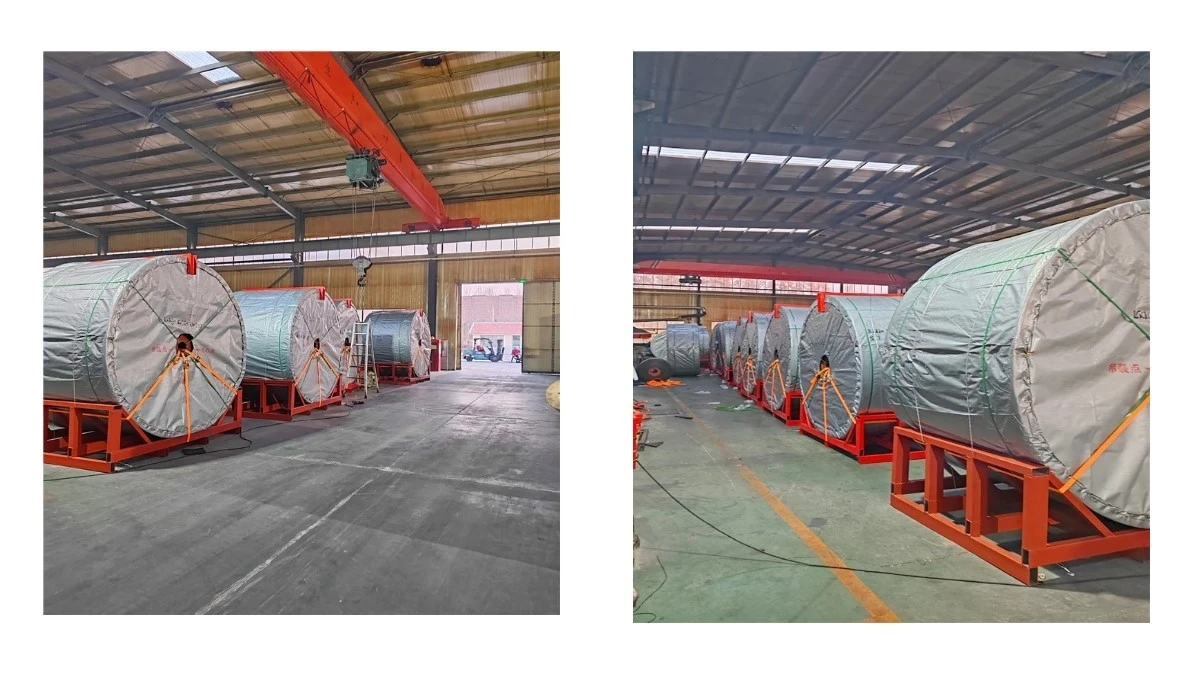
DIN Y: A Practical Choice for Many Conveyors
DIN Y is commonly used for general material handling where the conveyor belt needs good abrasion resistance without particularly demanding cutting or gouging conditions.
It can be a practical choice for many applications involving sand, aggregates, coal, and other bulk materials, provided the actual operating conditions are suitable.
For example, when replacing an existing belt that has been operating successfully with DIN Y rubber, there may be no reason to change the grade.
However, if the belt surface is wearing out unusually quickly, simply ordering another DIN Y belt may not solve the underlying problem. The material, loading height, and wear pattern should also be checked.
DIN X: When Higher Rubber Strength Matters
DIN X has a higher minimum tensile strength than DIN Y and DIN W. It also requires higher elongation at break.
This makes it worth considering where the rubber cover faces tougher mechanical conditions, including applications where cutting, gouging, or damage from sharp materials is a concern.
For example, sharp-edged crushed rock can damage a belt differently from fine sand. Even if both materials are abrasive, they do not necessarily require the same rubber properties.
DIN X should not be treated as automatically cut-proof. The actual resistance to cutting and impact also depends on the complete rubber formulation and the conveyor's operating conditions.
DIN W: When Abrasion Is the Main Problem
DIN W has the lowest permitted abrasion loss among these three grades: 90 mm³.
It is worth considering for conveyors handling highly abrasive materials where gradual rubbing and surface wear are the main concerns.
But here is a common misunderstanding: DIN W is not simply a stronger version of DIN X.
DIN W has a lower abrasion loss limit, while DIN X has higher tensile strength requirements. They are designed around different priorities.
If sharp, heavy rocks are striking the belt at a loading point, the decision should consider cutting and impact damage as well as abrasion.

How Should You Choose Between DIN X, Y and W?
We usually suggest starting with the material and operating conditions rather than choosing a grade based only on its name.
| Main Concern | Grade to Consider |
|---|---|
| General bulk material handling | DIN Y |
| Higher rubber strength and sharp material damage concerns | DIN X |
| Severe rubbing and abrasive surface wear | DIN W |
These are starting points, not fixed rules. Material size, belt speed, loading impact, and the actual cause of wear still need to be considered.
If you are comparing different rubber conveyor belts, it is worth checking both the cover rubber grade and the carcass specification.
What Information Should You Include in Your Inquiry?
A clear inquiry helps the supplier recommend a suitable rubber cover and avoid unnecessary price differences.
For example, instead of asking only for a "DIN W conveyor belt," you could provide the following:
Belt width: 1200 mm
Carcass: EP630/4
Cover thickness: 6+3 mm
Cover grade: DIN W (requested)
Material conveyed: Crushed stone
Belt speed: To be confirmed
Quantity: 200 meters
The more useful details are often the material size, loading conditions, and any previous belt wear problems.
For higher-strength applications, you may also need to consider the construction of EP fabric conveyor belts or steel cord conveyor belts.
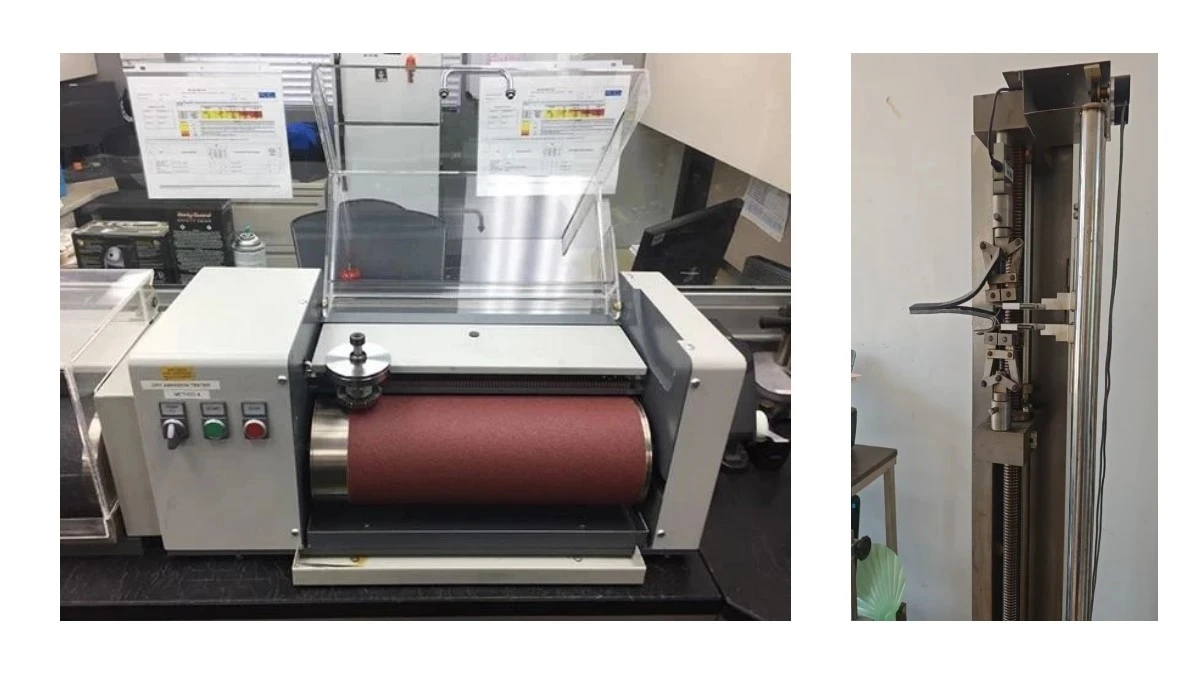
DIN Y is a practical option for many general applications. DIN X offers higher tensile strength requirements, while DIN W provides a stricter laboratory abrasion loss limit.
The most suitable choice depends on what is actually damaging the belt during operation.
At YIQI Conveyor, we help customers review their conveyor belt specifications according to material characteristics, working conditions, and purchasing requirements.
Not Sure Which Conveyor Belt Grade You Need?
Send us your belt dimensions, material details, and current working conditions. We can help you compare DIN X, DIN Y, and DIN W options before preparing a quotation.
Request a Conveyor Belt Quote


